 Linkedin

 Facebook
 Email
 more
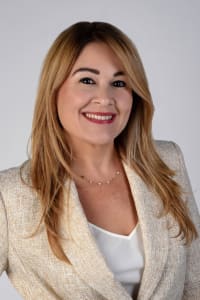
As part of our countdown to RSM Puerto Rico’s 50th Anniversary, we sat down with Griselle M. Álvarez Colón, Tax Partner at RSM Puerto Rico. We talked about modern leadership, mentoring the next generation of professionals, embracing new opportunities, and why she believes authenticity, continuous growth, and professional judgement will remain essential in the future of the profession.
Since our last interview, you've continued to expand your leadership role both inside and outside the firm. What has been the most meaningful lesson you've learned about leadership over the past few years?
One of the biggest lessons I've learned is that leadership is much harder than it looks from the outside.
People often think leadership is simply about making decisions or directing others, but in reality, it's about bringing people together around a common goal. That takes a tremendous amount of effort, communication, and trust-building.
Leadership today is very different from what it used to be. In the past, it was often more authoritative. Today, it is much more collaborative. You need to connect with people across different teams, backgrounds, and levels of experience. You have to listen, influence, and help others understand why a particular path is best for the organization.
For someone who considers herself an introvert, that has been one of the greatest personal challenges. Leadership requires openness, vulnerability, and constant communication. Bringing together many different perspectives and aligning everyone toward the same objective is not easy, but it is incredibly rewarding when it works.
Throughout your career, you've built a strong presence across multiple industries and professional forums. Why do you believe it is important for leaders to stay connected to the business community beyond the walls of their organization?
Serving on the Tax Committee of the Puerto Rico Society of CPAs was one of the most rewarding experiences of my career so far.
It required a significant commitment, but it completely changed my perspective. Before becoming involved, I thought I understood the work that professional organizations did. Once I was part of the process, I realized how much effort, discussion, and collaboration happen behind the scenes to move initiatives forward.
The experience opened my eyes to a different side of leadership and gave me the opportunity to contribute to the profession in a meaningful way. It also allowed me to work closely with other professionals, not just know who they were, but truly collaborate with them and learn from their perspectives.
Beyond that, these opportunities help showcase the talent we have at RSM. While my involvement initially stemmed from tax-related forums, it eventually led to invitations to participate in conversations about organizational culture and leadership, topics that are outside my traditional area of expertise.
What surprised me most was that I received just as much feedback from those discussions as I did from technical tax forums. You never know who is listening, who you might meet, or what opportunities may come from simply being willing to participate.
The network you build through these experiences is incredibly valuable, even if its impact is not always immediately visible.
At the same time, it's important to recognize when you're ready for that level of involvement. Earlier in my career, I probably would not have been able to take on those commitments. Today, my children are older and more independent, giving me greater flexibility to participate.
That's why I am always mindful when encouraging others to become involved. Everyone's circumstances are different, and there are many ways to contribute. For some people, serving on a committee may be the right opportunity. For others, writing an article or participating in a single event may be a better fit. The key is finding ways to contribute that align with your current stage of life.
As one of the firm's younger partners and a leader in the tax profession, how do you see the next generation of professionals reshaping the industry?
I believe the next generation has brought a healthier perspective on work-life balance, and I see that as a positive change.
Technology has played a major role in making that possible. Today, professionals have more flexibility than ever before. Someone can step away to attend to family responsibilities and continue working seamlessly afterward. In many ways, work has become more integrated into our daily lives.
Personally, I prefer working from the office and do so every day, but I don't view someone's effectiveness differently based on where they are working. Our hybrid environment works because people make it part of their routine and remain connected.
I also see a significant shift in leadership styles. Previous generations often operated within more hierarchical structures, while today's professionals expect greater collaboration and communication. At first, that adjustment was challenging for me because it was different from how I was trained.
Over time, however, I realized that this approach fosters stronger learning environments. Today's professionals learn through conversation, problem-solving, mentorship, and real-time feedback. They want to understand the "why," not just the "what," and I think that ultimately creates stronger professionals and stronger leaders.
In your previous interview, you spoke about the importance of growth and creating opportunities. What advice would you give to professionals who aspire to become future partners?
One of the most common conversations I have, especially with women, revolves around what it takes to become a partner.
My advice is simple: don't assume you need to become someone else to succeed.
Many people look at a partner and think, "I could never do that because I'm not like them." Maybe they see someone who works around the clock or has a certain personality and assume that's the only path to leadership.
The truth is that every partner brings something different to the table.
You have to become the best version of yourself, not a copy of someone else. Of course, you need to develop your technical expertise, build your experience, and maintain a strong work ethic. Those things are non-negotiable. But once you've built that foundation, you should shape your career around your own strengths and values.
If you try to follow someone else's mold, you'll always be an imitation. What makes people successful is bringing their authentic selves into the role.
I would also encourage professionals not to place unnecessary limits on themselves. Ten years ago, if you had asked me whether I would enjoy speaking at conferences, serving on committees, or participating in leadership forums, I probably would have said no. I simply wanted to do my work well and go home.
Many of the experiences that had the biggest impact on my career were opportunities I never expected to enjoy. My advice is to stay open, challenge yourself, and allow yourself to grow in ways you may not anticipate.
Tax continues to evolve at a rapid pace. Beyond legislation and regulation, what trends do you believe will have the greatest impact on the profession over the next decade?
Without a doubt, artificial intelligence.
I've spent a lot of time thinking about this recently, especially as a parent. My oldest son will be heading to college in a few years, and it makes me wonder what skills will be most valuable in the future. The reality is that we're still in the early stages of this technology, so none of us can say with certainty what the profession will look like ten years from now.
What I do believe is that our profession will continue shifting away from repetitive, clerical work and further toward advisory services. The technical tasks that once consumed a significant portion of our time will increasingly be supported by technology.
The challenge is making sure professionals still develop the foundational knowledge necessary to exercise sound judgment. Earlier in my career, much of that learning came through repetition, research, and hands-on experience. Today, information is available instantly, and AI can generate answers in seconds. But getting an answer is not the same as understanding it.
Professionals must learn how to evaluate information critically, identify when something is incomplete or inaccurate, and adapt advice to each client's unique circumstances. Those skills cannot be automated.
AI is already helping us work more efficiently, and I expect its role will continue to expand. I often think of it as an intern or a first-draft preparer. It can accelerate the process, but professional judgment remains irreplaceable. That's why I believe the future of our profession lies not in compliance alone, but in becoming trusted advisors.
As a leader, what responsibility do you feel toward mentoring and developing future generations within the firm?
I feel an enormous responsibility.
Anyone who has worked with me knows that if they come to me with a question about their career, my response is usually, "Come in, close the door, and let's talk." Unless it's April 15th, of course. (Laughs.)
Part of that comes from my own experience. Looking back, I sometimes wish I had been more comfortable having those conversations earlier in my career. Perhaps no one was stopping me from asking, but I didn't always feel confident enough to knock on the door.
Because of that, I try to create a space where people feel comfortable being honest, asking questions, and discussing their goals. I believe mentorship works best when there is openness, vulnerability, and trust on both sides.
I often share my own experiences, including the challenges of balancing a demanding career with raising a family. Nothing was ever perfect, and I think there is value in being transparent about that. If sharing my journey helps someone navigate their own path a little more confidently, then it's worth it.
I also recognize that our profession, while evolving, has traditionally been male-dominated. If I can help another professional see what is possible, particularly women aspiring to leadership roles, then I want to do that.
At the end of the day, no one succeeds alone. It truly takes a village.
I also try to remind younger professionals that growth takes time. Public accounting, and especially tax, is highly technical. Building expertise requires study, practice, and experience. The good news is that the things that take hours today will eventually take minutes. That's the value of accumulated knowledge and professional judgment, and I believe those are skills that will remain essential regardless of how technology evolves.
What legacy would you like to help build at RSM Puerto Rico as we look toward the next 50 years?
I would love to see more women entering the CPA profession and advancing into leadership positions.
Beyond that, my goal is simple: I want our Tax Division to be recognized as the best tax practice in Puerto Rico.
But being the best isn't only about technical excellence. It's also about culture. I hope we continue building an environment where talented professionals want to stay, grow, and build meaningful careers.
I would love for future accounting graduates to look at RSM and say, "That's where I want to work."
When I eventually retire, I hope we are known not only for the quality of our work, but also for the opportunities we created, the people we developed, and the culture we built together.
As we celebrate RSM Puerto Rico's first 50 years, what excites you most about the future of the firm?
The growth that still lies ahead.
I've been with RSM since 2015, and the growth I've witnessed over the past decade has been extraordinary. We've expanded our capabilities, strengthened our teams, and continued creating opportunities across the firm.
Even with everything we've accomplished, I believe there is still tremendous potential ahead of us. We continue to see opportunities for growth in our service lines, our people, and our markets.
I'm also excited to watch the continued development of RSM Dominican Republic and the opportunities it creates for greater collaboration and visibility across the RSM network.
Most importantly, I believe we're still building. The future is full of possibilities, and I genuinely believe the best years of RSM Puerto Rico are still ahead of us.
You've spoken openly about balancing a demanding career while raising a family. Looking back today, what would tell your younger self starting that journey?
I would tell myself to slow down once in a while.
I'm the type of person who, once I commit to something, gives it everything I have. Early in my career, I ignored the signals my body was sending me. I didn't know when to stop, when to rest, or when to take a step back and recharge.
At one point, the stress became so overwhelming that I developed severe muscle spasms and was forced to take time off. That experience taught me a lesson I wish I had learned sooner: rest is not a luxury. It's part of the process.
And I'm not talking about taking a vacation once a year. I'm talking about building time into your routine to recharge, even if it's something as simple as protecting your Sundays.
I would also remind myself that the sacrifices and long hours were not in vain. From the moment I joined public accounting, I knew I wanted to become a partner. Every challenge, every lesson, and every setback helped prepare me for that journey.
So my advice would be: don't give up. You're investing in your future, and you're on the right path. Just remember that success isn't about surviving the journey. It's about reaching the destination. You can't sacrifice every part of your life along the way.
Life comes in seasons, and finding balance doesn't mean giving everything equal time. It means understanding what deserves your attention in each stage of life and making room for the things that matter most.
Just for fun, bonus question... What do you believe you bring to the leadership (partner) team?
I’m a doer.
If you tell me, “We need to get from point A to point B,” I’m immediately thinking about the roadmap. I’ll break the goal into manageable pieces, figure out what resources we need, and start building a plan.
I love taking an idea and turning it into something tangible. While others may be thinking about the destination, I'm usually thinking about the steps that will get us there.
That mindset has served me well throughout my career, and I think it's one of the things I bring to the partnership team: a focus on execution and making things happen.
“ If you try to follow someone else's mold, you'll always be an imitation. What makes people successful is bringing their authentic selves into the role.”
– Griselle Álvarez Colón
