
 Linkedin
 Facebook
 Email
Email more
moreThe field of audit is fascinating precisely because it focuses on whether the activities of the audited entity are accurately documented and whether they reflect the actual situation.
Audit enables clients, investors and other stakeholders to make informed decisions based on a true and verified position.
From theory to practical application
A strong understanding of auditing standards forms the foundation of high-quality audit. Theoretical knowledge defines the auditor’s responsibilities, the required documentation and the approach to preparing reports.
However, real value is created through their practical application.
In real-world situations, auditors often encounter incomplete or inconsistent documentation. In such cases, professional judgement, attention to detail and effective communication with clients are essential.
Practical experience enables better handling of such situations and supports the development of an approach that is flexible and appropriate to the circumstances.
Practical experience and collaboration
Through practical experience and targeted guidance from more experienced colleagues, auditors develop the ability to:
- identify risks
- respond in a timely manner
- provide appropriate solutions
Communication and collaboration within the team are key to properly understanding tasks, sharing knowledge and more effectively overcoming challenges in the audit process.
These competencies are essential for delivering quality audit and maintaining client trust.
Digitalisation and audit tools
Modern audit processes increasingly rely on digital tools. These tools enable more efficient data processing, better organisation and easier access to relevant documentation.
Digital records allow faster search, simpler review and more efficient data management. While the principles of audit remain the same, the way they are applied is significantly enhanced through the use of appropriate software.
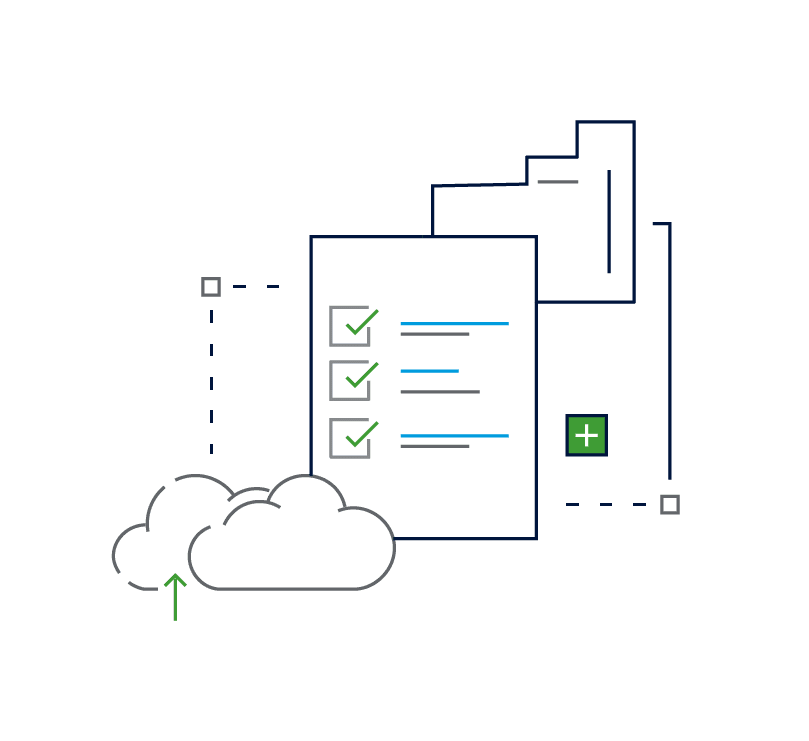
Understanding audit tools and their application is an important part of professional development. In this process, communication with colleagues who have experience with these tools is particularly valuable, as it enables faster understanding of functionalities and their practical use.
The integration of software tools into daily work represents a key factor in improving audit quality and efficiency.
Continuous development
Audit is a profession that requires continuous learning and improvement. Ongoing development enables the enhancement of knowledge and the acquisition of practical expertise.
This process creates long-term value for both clients and professionals.
Conclusion
The transition from theoretical knowledge to practical application is a key part of every auditor’s development. The combination of technical knowledge, practical experience, digital tools and team collaboration enables more efficient execution of audit tasks.
This approach contributes to higher audit quality and strengthens trust among clients and all stakeholders.
The published content, photographs, and videos are the property of RSM Macedonia and are protected in accordance with the Law on Copyright and Related Rights and the Law on Personal Data Protection. Any unauthorized downloading, reproduction, transmission, or misuse constitutes an infringement of rights and is subject to sanctions in accordance with the applicable laws.