Linkedin

 Facebook
 Email
 more


FAQ
Frequently Asked Questions
Short answers to the questions we hear most about internal audit.
Is internal audit mandatory for every company in Dubai?
No. There is no general rule requiring every private company to have internal audit. It is required in some sectors, for example listed companies under the Securities and Commodities Authority's governance rules and banks and insurers under Central Bank rules. Many other companies set it up because their board, lenders or investors expect it.
What is the difference between outsourced and co-sourced internal audit?
With outsourced internal audit, we run the whole function for you: the risk assessment, the audit plan, the fieldwork and the reporting to the board or audit committee. With co-sourced internal audit, we work alongside your own team and add specialist skills, such as IT, cybersecurity or data analytics, or extra people when needed.
How often should we carry out internal audits?
Internal audit works to a risk-based plan, usually approved each year by the audit committee or board. High-risk areas are reviewed every year, and lower-risk areas every two to three years. Findings are followed up until the agreed actions are complete.
How is the cost of internal audit worked out?
It depends on the scope: how many processes and locations are covered, the risk level, the specialist skills needed and the delivery model. We agree an annual plan and a fixed fee for each review, so you know the cost before the work starts.
Do the IIA's 2026 requirements apply to us?
If your internal audit follows the Institute of Internal Auditors' Global Internal Audit Standards, yes. The Standards took effect on 9 January 2025. The IIA's Topical Requirements are mandatory for assurance work on those topics: cybersecurity from 5 February 2026 and third-party risk from 15 September 2026.
Is internal audit worth it for SMEs and family businesses?
Yes, at the right scale. A small number of focused reviews, for example of cash, procurement, payroll or inventory, can find control gaps and losses early. It also prepares the business for growth, investment, a bank review or a statutory audit.
Who provides outsourced internal audit in Dubai?
The Big Four, international mid-tier networks such as RSM, and local firms. RSM UAE provides fully outsourced and co-sourced internal audit across Dubai, Abu Dhabi and the free zones, led by named partners and aligned to the IIA's Global Internal Audit Standards.
What does an outsourced internal audit engagement include?
A risk assessment and risk-based audit plan approved by the audit committee, fieldwork on each area, reports with agreed management actions, follow-up on open findings, and quarterly reporting to the board or audit committee.
Last reviewed: 16 November 2026
Contact
Talk to Our Expert
Let's talk about strengthening your internal audit and controls.
Contact us
Reach our Internal Audit and Risk Advisory team at inquiry@rsm.ae or +971 4 554 7423, or send us a message using the form below.
News subscription
Stay up to date on internal audit and risk
Get RSM UAE updates on internal audit and risk and new insights, straight to your inbox.
Your experts

Imtinan Dahman
Partner, Head of UAE Practice
Technical Training · Accounting Systems · Consultancy
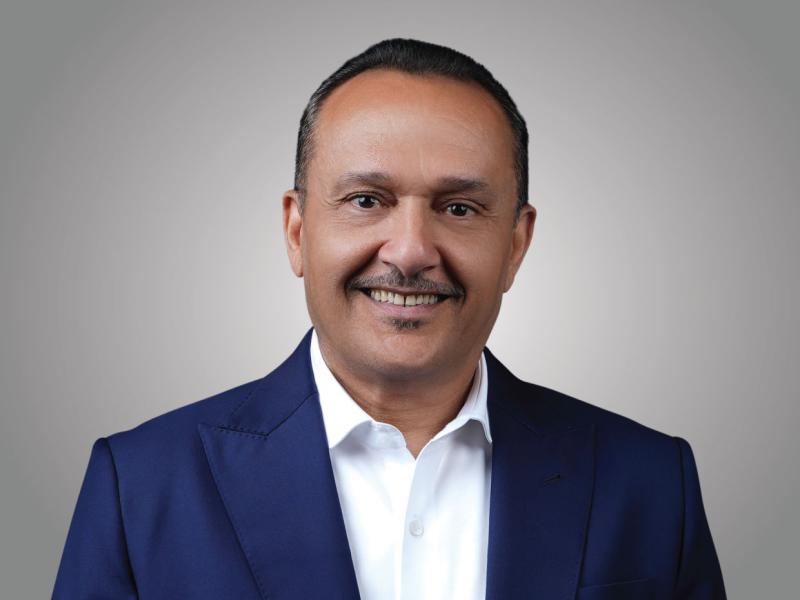
Bassam Dahman
Managing Partner and RSM Regional Leader, MENA
Audit & Assurance · Regional Leadership · Training & Development