Linkedin

 Facebook
 Email
 more

Work with experienced registered liquidators near you.
Sometimes, closing your company is the most practical solution.
If we assess your company as no longer viable, RSM's restructuring and insolvency team can guide you through the business liquidation process. Whether you're considering a creditors’ voluntary liquidation, facing court liquidation, or simply need to understand your options, RSM will help you make an informed decision.

When is a company liquidation the right choice?
A business liquidation involves an ASIC-registered liquidator formally winding up an insolvent company's affairs.
It provides company directors with certainty, protects against further personal exposure, and ensures the interests of creditors are served, under a regulated framework.
Taking action early can lead to better outcomes for all stakeholders, including employees and creditors.
Regardless of the reason, engaging an experienced company liquidator early protects your interests, minimises personal liability risk, and ensures an orderly conclusion through processes like the simplified liquidation process.
If you're uncertain whether liquidation is appropriate, or want to explore alternatives such as voluntary administration, a deed of company arrangement, safe harbour, receivership, or small business restructuring, reach out for a confidential discussion.
RSM's restructuring and insolvency team can assess your position, explain your options and, where necessary, accept formal appointment as liquidator.

About our liquidation services
As experienced registered liquidators, our restructuring and recovery team are liquidation experts.
With extensive experience across all forms of business liquidation, we support stakeholders across Australia to navigate the liquidation process.
A members’ voluntary liquidation is the most common type of liquidation for solvent companies. Directors and shareholders select an appropriately qualified professional, usually a registered liquidator to wind up the company, avoiding court involvement or legal language complexities.
Court liquidation occurs when a creditor, ASIC, or another party applies to the court to have a company wound up. This may follow an unpaid statutory demand or arise from regulatory action.
If a company owes $4,000 or more, the person or entity it owes can pursue legal action to force it into liquidation. When a company is forced into liquidation, the director(s) have no control over who is appointed as liquidator. There may also be a wait of up to two to three months for a court hearing. In that time, director(s) cannot choose to enter voluntary liquidation. RSM's registered liquidators accept court appointments and manage these matters with the rigour they require.
Frequently asked questions about Liquidation
Step 1: Confidential initial discussion
We begin with a no-obligation conversation to review your financial position, liabilities, and goals.
Step 2: Options assessment
Our team evaluates whether liquidation is the best step or if restructuring and recovery options, such as voluntary administration and a deed of company arrangement, should be considered first.
Step 3: Appointment and transition
If liquidation proceeds, we manage the appointment of the liquidator, notify ASIC, and take control of the company’s affairs.
Step 4: Investigation, realisation, and distribution
Assets are realised and distributed to creditors according to the statutory priority framework, ensuring compliance and fairness.
Step 5: Finalisation and deregistration
All statutory requirements are finalised, and the company is deregistered, closing the matter.
The simplified liquidation process is a streamlined form of creditors voluntary liquidation for eligible small businesses. It reduces the reporting and meeting process obligations, helping resolve matters faster and with lower costs, provided the company meets the eligibility criteria set out under the insolvency practice rules.
Speak to RSM’s restructuring and recovery team to confirm whether simplified liquidation is available and appropriate for your circumstances.
An insolvency firm generally focuses on the mechanics of winding up a company. A multidisciplinary firm like RSM goes further: we bring restructuring, tax, financial, and risk expertise together in one coordinated team, so every decision is informed by a fuller picture, from the first conversation through to final closure
The key differences come down to breadth, coordination, and continuity:
- Broader expertise. Insolvency firms focus solely on the mechanics of winding up. We bring restructuring, tax, financial, and risk specialists together in one team, so every dimension of the process is considered at once.
- One team, one point of contact. You don't need to juggle multiple providers or repeat yourself at each stage. Instead, work with one senior contact while receiving the right expertise at the right time.
- Earlier risk identification. Because our specialists collaborate closely, tax and financial risks are spotted and addressed early, before they become costly problems.
- Coordinated execution. With restructuring, tax, and financial advisers working together, there are no gaps between workstreams.
- Alternatives assessed first. Before proceeding with liquidation, we test whether restructuring, turnaround, or asset disposal could provide a better outcome.
Only registered liquidators can be formally appointed to wind up a company. They act as an independent trustee of the process and cannot be a director or a substitute for the company's own decision-makers.
The registered liquidator will:
1. Deal with all company creditors.
2. Identify, collect and sell assets for the benefit of creditors.
3. Where possible, pay creditors in line with the Corporations Act.
No, voluntary liquidation is different to voluntary administration. Administration is when the company attempts to repay the liabilities of the company through a formal proposal with creditors, often resulting in a deed of company arrangement.
The goal of administration is to offer creditors a better return than liquidation, often with a view to keeping the company trading. Liquidation, the most common type of corporate insolvency appointment, usually means the company closes.
In the liquidation process, both unsecured creditors and secured creditors play crucial roles. Secured creditors have a claim over specific company assets, while unsecured creditors have no such claim. We provide expert guidance to ensure both parties understand their rights and entitlements throughout the liquidation.
Consider speaking with a registered liquidator if you're experiencing:

Persistent cash flow problems:
Consistently unable to pay suppliers, rent, or wages on time.

Creditor pressure mounting:
Receiving statutory demands, letters of demand, or threats of legal proceedings.

Director liability concerns:
Worried about trading while insolvent, dishonesty risks, or potential personal exposure.

No viable turnaround path:
Restructuring, refinancing, or sale options have been exhausted.

Business purpose fulfilled:
For solvent companies, the entity has achieved its objectives, and shareholders wish to wind up formally.

Shareholder or family disputes:
Where liquidation offers the cleanest resolution for the interested parties
Have a question?
Get in touch
Entering liquidation is a critical decision, but with expert guidance, it can pave the way for resolving financial difficulties.
Contact RSM today to learn more about our comprehensive liquidation services and how we can support you through this process.
Entering liquidation is a critical decision, but with expert guidance, it can pave the way for resolving financial difficulties.
Contact RSM today to learn more about our comprehensive liquidation services and how we can support you through this process.
Why choose RSM as your business liquidator?

Expert guidance:
RSM Australia's restructuring and recovery team has extensive experience across all types of liquidation, including managing the company's assets and overseeing the sale of assets for the benefit of creditors. As experienced insolvency practitioners, an RSM liquidator will provide you with reliable and knowledgeable support.

Personalised solutions:
At RSM, we understand that every company is different. That is why we offer tailored solutions that address your unique financial situation and goals, rather than relying on broad generalisations.

Multidisciplinary support:
As a full-service professional services firm, RSM can put together a full team of tax, business advisory, and financial planning specialists to ensure that all aspects of your financial recovery are addressed.
Client testimonials and case studies
Our case studies highlight the successful restructuring and recovery strategies
we've implemented for various businesses facing financial challenges.



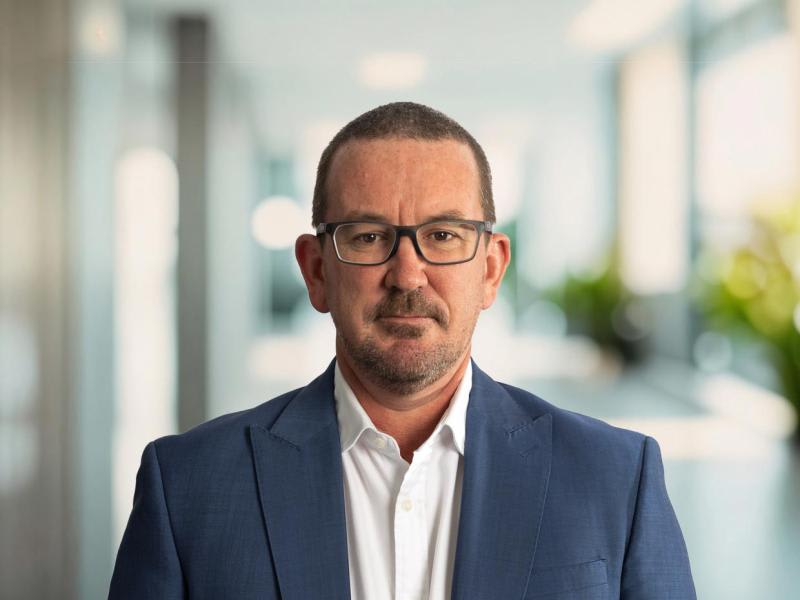
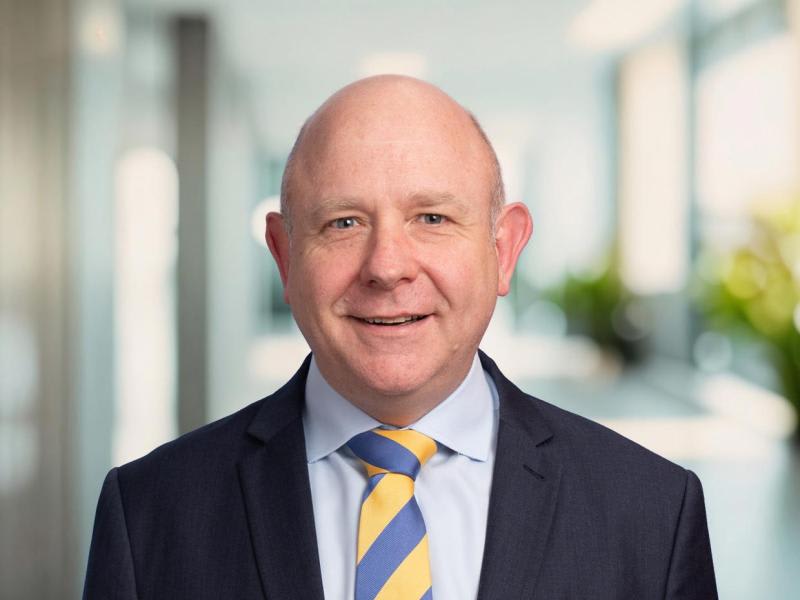
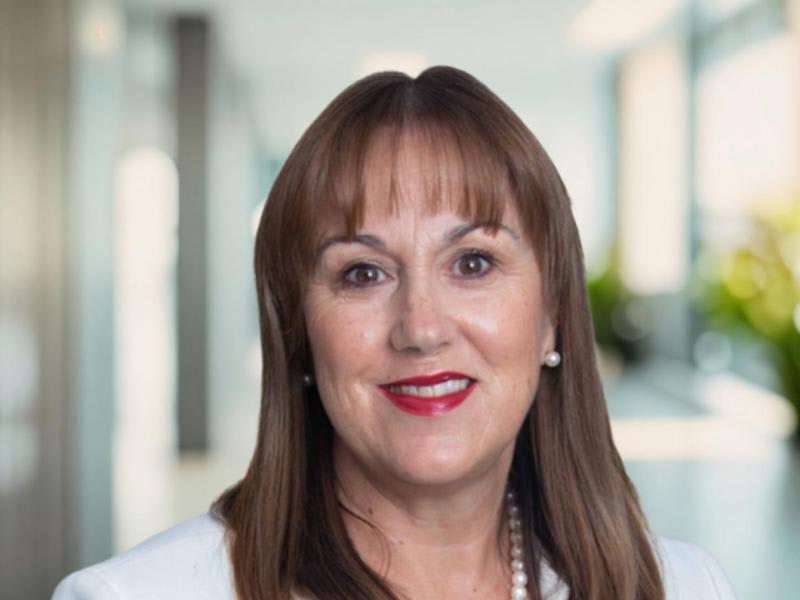
Find a registered liquidator near you
A registered liquidator is a person who is registered as a liquidator under the Corporations Act 2001.
They are allocated a Registered Liquidator Number and their name and number appear on ASIC's Register of Liquidators.
At RSM, we have a number or registered liquidators ready to support your needs.








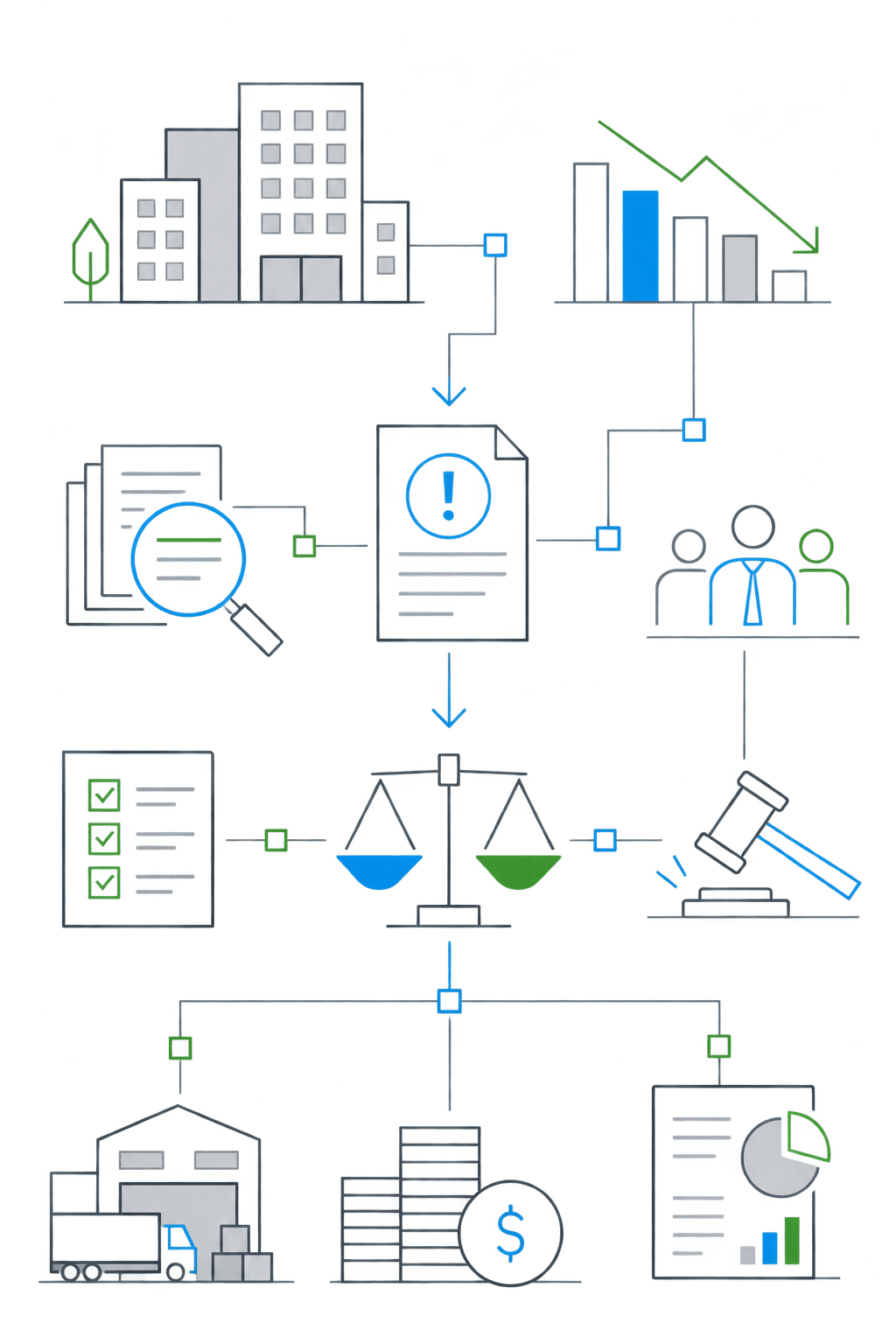
If your company is under financial pressure, the best time to seek advice is now.
Our team of professionals at RSM Australia offer tailored, professional advice to guide you through the liquidation process.
We understand the complexities involved and are committed to providing clear, actionable guidance to help you navigate this difficult time with confidence.
Ideas and insights