
 Linkedin
 Facebook
 Email
Email more
more
New Tariffs and trade rules can impact your costs, pricing, competitiveness and P&L
- You may be paying more import duties than necessary
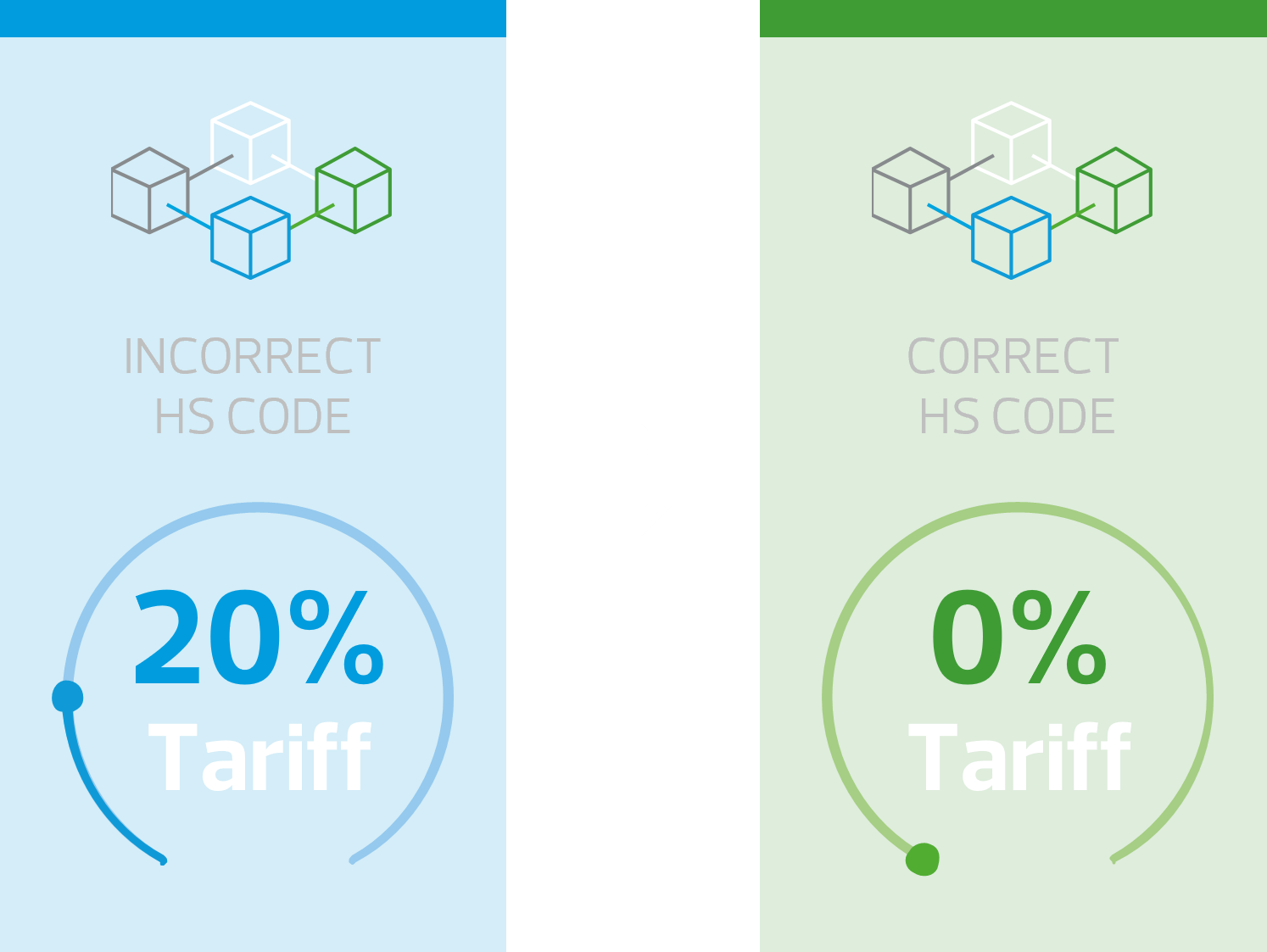
- Your product might be classifed under a wrong HS code, causing higher tariffs
- You might qualify for 0% tariffs under Free Trade Agreements, but are not using them
- Your supply chain may be exposed to trade disruptions


Helping you Reconfigure for Resilience
Our Trade Advisory helps you understand the issues, identify tariff impacts on your business and propose mitigation strategies.
Your Key Questions Answered
- Am I paying more tariff than I should?
- Can I lower export costs to markets like Indonesia, China, the US or ASEAN?
- Are there hidden risks in my supply chain?
- Can production be reconfigured to reduce tariff impact?
Our Holistic Approach
We help you move from short term reactions to long term resilience.
Near Term
Implement immediate levers to cushion tariff impact and optimise operations and compliance
- Re-examine HS Codes
- Source Diversification (Tariff offsets)
- Leverage Free Trade Agreements (FTAs)
Medium to Long Term
Build Strength in Networks of Capacity
- Develop multi-market production networks across ASEAN, China, India
- Partnering and Friendshoring
Explore capability building to sustain competitiveness
- Upskill local teams
- Strengthen leadership in digital manufacturing & logistics
- Collaboration with IHLs / workforce grants
Our 3-Step Methodology
We look at what you import/export and check
- Are the HS codes correct?
- Are you paying unnecessarily high tariffs?
- Are there tariff-saving options you are missing?
| Sometimes a product is placed in a “miscellaneous” category with high tariffs. A more accurate description may qualify it for lower or zero tariffs. |
Singapore has access to more than 30 FTAs. If your product meets the criteria, you may pay reduced or zero import tariffs.
Benefits of FTAs
- Lower cost when shipping to partner countries
- Better pricing compared to competitors
- Improved profit margins
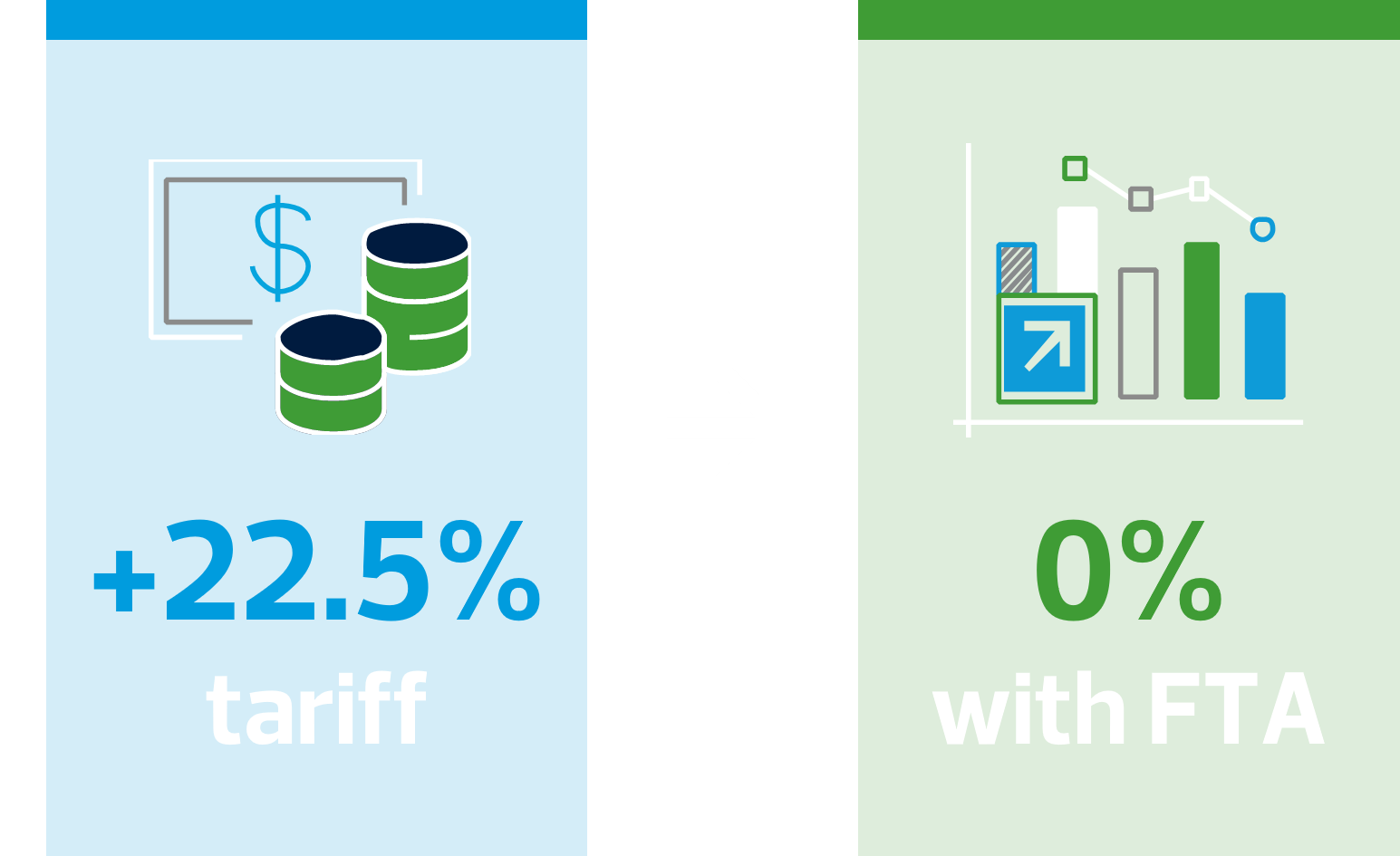
To enjoy FTA tariffs, your product must meet certain “origin” rules.
Two simple ways your product can qualify
| If you meet either rule → you enjoy 0% tariff. |
How RSM Helps You
We make global trade easy to understand and even easier to benefit from.

Customs &
Trade Advisory

Supply Chain &
Markets

Tax &
Transfer Pricing
What we do for you
|
|
Where do we begin?
Understand your intent
- Why Singapore or Southeast Asia?
- Trading, manufacturing, or regional hub?
- Existing or planned SEA footprint?
Assess Supply Chain Resilience
- Have you reviewed your supply chain resilience?
- Is your business exposed to supply chain or trade shocks?
- Have you taken steps to address/mitigate potential supply chain shocks to your company?
Unlock Trade & Tariff Opportunities
- Are you aware of FTAs in SEA?
- Are you aware of opportunities to reduce tariffs?
- Are you ready to future‑proof your supply chain?
- Keen to learn more to save on Tariffs for manufactured/ traded products?
Next steps
1. Client Interest

2. Expert Review

3. Trade Advisory
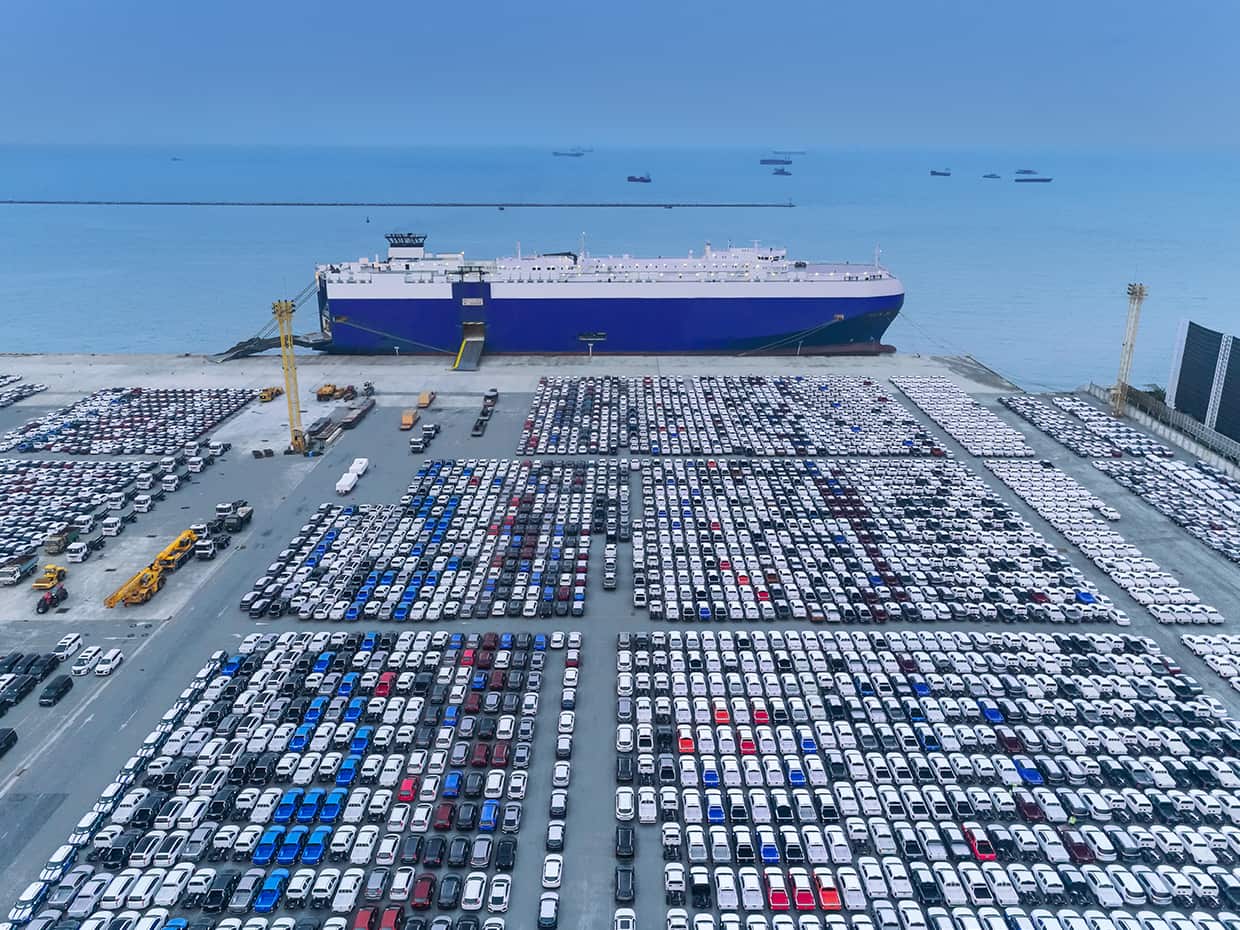
If the initial review shows potential savings, our Trade Advisory specialist will:
- Understand your business model
- Analyse specific products and markets
- Guide you step by step to unlock savings and identify opportunities
- Ensure compliance with customs requirements

Frequently Asked Questions
A tariff is a border tax imposed by a government on imported goods, designed to make foreign products more expensive to protect domestic industries, raise revenue, or exert political leverage.
Tariffs are taxes on imported goods that increase costs for consumers and businesses, often leading to higher prices, reduced trade, and increased domestic production.
An HS Code (Harmonised System Code) is a standardised 6-digit numerical identifier used globally to classify over 5,000 product groups for international trade. Developed by the World Customs Organisation (WCO), it enables customs authorities to determine taxes, enforce regulations, and collect trade statistics efficiently
A Free Trade Agreement (FTA) is a legal treaty between two or more economies designed to reduce or eliminate barriers to trade—such as tariffs, quotas, and import restrictions—making it easier and cheaper to exchange goods and services. Recent FTAs also include new trade areas like e-commerce.
Singapore has an extensive network of over 30 implemented Free Trade Agreements (FTAs)—including 16 regional and 15 bilateral agreements—covering major economies like the US, Canada, EU, UK, China, Japan, and Australia. Key agreements include the Comprehensive and Progressive Agreement for Trans-Pacific Partnership (CPTPP), Regional Comprehensive Economic Partnership (RCEP), and the Pacific Alliance-Singapore Free Trade Agreement (PASFTA).
Rules of Origin (ROO) are the criteria used to determine the "economic nationality" of a product in international trade, defining where a good was wholly obtained or sufficiently transformed, if non-originating raw materials are used to manufacture the finished good.
Regional Value Content (RVC) is a, rules of origin requirement in free trade agreements (FTAs) that determines the percentage of a product's value that must be produced within a specific, FTA region to qualify for reduced tariffs. It ensures goods are genuinely, locally manufactured rather than just imported and re-exported, typically requiring 35%–50% value addition.