Linkedin

 Facebook
 Email
 more

Key takeaways:
Fraud risks are increasingly targeting operational processes, with weaknesses in supplier management, banking details and payment controls creating opportunities for financial loss.
Strong approval and access controls are essential, including segregation of duties, multi-factor authentication and independent review of high-risk transactions.
Ongoing monitoring helps detect fraud early, with exception reporting, banking detail verification and regular master file reviews reducing exposure to emerging threats.

As we complete another year of real estate trust account audits across agencies throughout Australia, one theme stands out. Fraud risks are becoming more frequent, more sophisticated and increasingly technology-driven.
Many people associate fraud activity with cyber security vulnerabilities. However, many fraud events originate from weaknesses in day-to-day operational processes and internal controls.
For example, trust account legislation contains several safeguards around the handling of client monies. Despite this, many of the risks we are identifying arise from operational processes surrounding:
- supplier management
- banking detail maintenance
- user access permissions
- payment approval controls.
Why fraud is a growing threat across the real estate industry
In examining our audit findings, RSM observed a trend of attempted and actual fraud in real estate agencies.
This fraudulent activity typically involved:
- supplier payments
- fraudulent changes to supplier, owner and tenant banking details
- the creation or maintenance of fictitious records.
Common schemes include:
- business email compromise
- payment redirection fraud
- cyber-attacks designed to divert funds to unauthorised bank accounts.
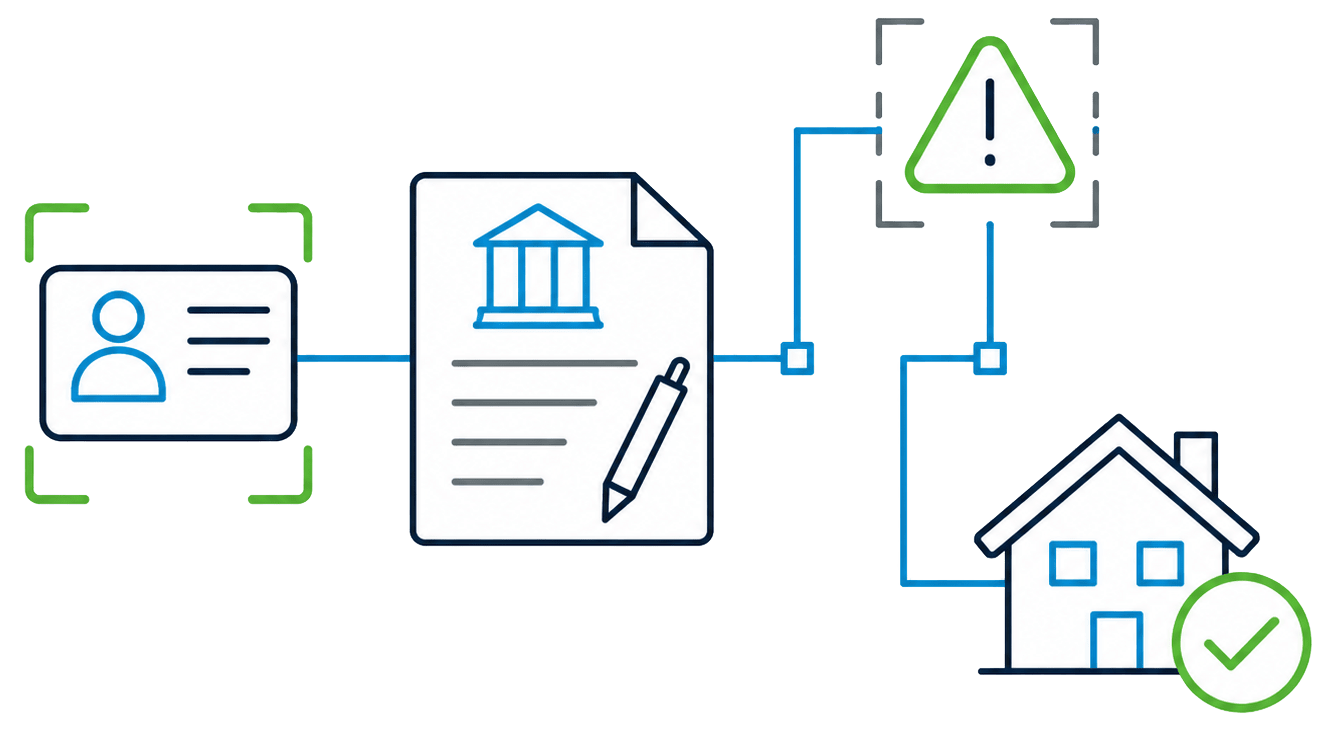
These matters do not always represent breaches of trust account legislation. They do, however, highlight the importance of maintaining a robust control environment and regularly reassessing fraud risks.

Where are real estate agencies most exposed?
From our findings, we can see where agencies are most exposed to fraud risk. The weaknesses most closely linked to fraud typically involve onboarding processes, master file maintenance and payment approval procedures.
These weak points can leave agencies vulnerable to a range of risks, including:
Making payments to fictitious or inactive suppliers
Continuing to pay suppliers with cancelled or inactive ABNs
Fraudulent amendments to supplier, owner or tenant bank account details
Processing unauthorised payments without sufficient review
Misdirected rental receipts, owner distributions and creditor payments
Increased exposure to cyber-fraud and business email compromise attacks
Unauthorised transactions leading to trust account deficiencies
Financial losses and reputational damage
Key fraud controls agencies should consider
Many fraud incidents originate from weaknesses in master file maintenance, user access controls or payment approval processes. Agencies should therefore consider implementing or strengthening controls such as:
Where practical, separate responsibilities for creating records, approving changes and processing payments. This reduces the likelihood of fraud or errors remaining undetected.
As a key control, agencies should consider a minimum of two authorised approvers for electronic trust account payments. Equip each of these approvers with separate banking credentials and multi-factor authentication. Ideally, the person preparing payments should never be the sole approver of transactions.
Agencies should know which employees can create, modify or delete supplier, owner and tenant records. They should also know who can amend banking details, process journals or override system controls. Pay particular attention to users with administrator-level access and check that someone independently reviews critical changes.
Periodic reviews of system access reports and change logs can help agencies spot unauthorised activity. This helps to reduce the risk of both internal fraud and external fraud.
Management should consider reviewing reports that identify:
- New supplier, owner or tenant records
- Changes to banking details, ABNs or payment instructions
- Unusual journal entries or adjustments
- High-value or out-of-hours transactions.
Reviewing these reports regularly can help agencies identify unusual activity before issues escalate into financial loss or trust account deficiencies.
Take particular care where banking details change shortly before processing owner distribution payments. Fraudsters often target these transactions with payment redirection fraud schemes.
Never rely solely on information received via email when processing requests to change supplier, owner or tenant bank account details. Verify the change through trusted contact details already held on file, and retain evidence of all verification procedures undertaken.
Ensure formal procedures exist for establishing new suppliers, property owners and tenants. These should include documented approval requirements for all new records as well as amendments to existing information.
Periodic reviews can help identify dormant, duplicate or unusual suppliers and ensure supplier details remain valid. Agencies may also consider utilising the Australian Business Register's Bulk ABN Lookup functionality to verify supplier registrations and details.
Fraud prevention is an ongoing process
The nature and extent of internal controls will differ between agencies depending on their size, complexity and risk profile. As fraud risks become more sophisticated, agencies should regularly review their control environment to ensure controls remain appropriate and effective.
Strong preventative controls, paired with ongoing monitoring and a culture of accountability, can significantly reduce the likelihood that someone will misappropriate trust monies. They can also assist agencies in identifying issues before they result in financial loss, client impact or regulatory scrutiny.
How RSM can help
RSM works closely with real estate agencies across Australia to assist with trust account compliance, internal control reviews and fraud prevention. If you would like to discuss your agency's trust accounting requirements or fraud controls, please contact your local RSM adviser.
Got a question?
Get in touch
Ideas and insights