
 Linkedin

 Facebook
 Email
 more

How to transfer wealth without tearing your farming family apart
Passing on the family farm can be one of the most difficult business and personal decisions a farming family will face.
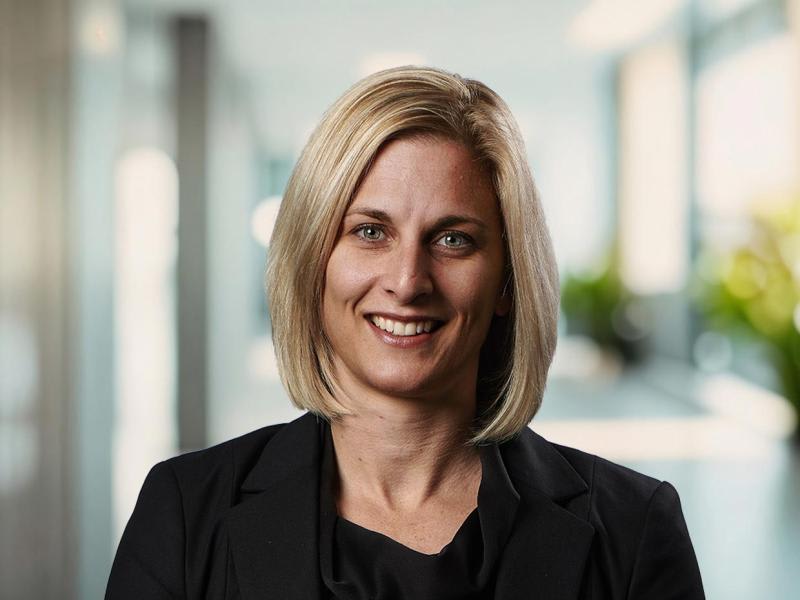
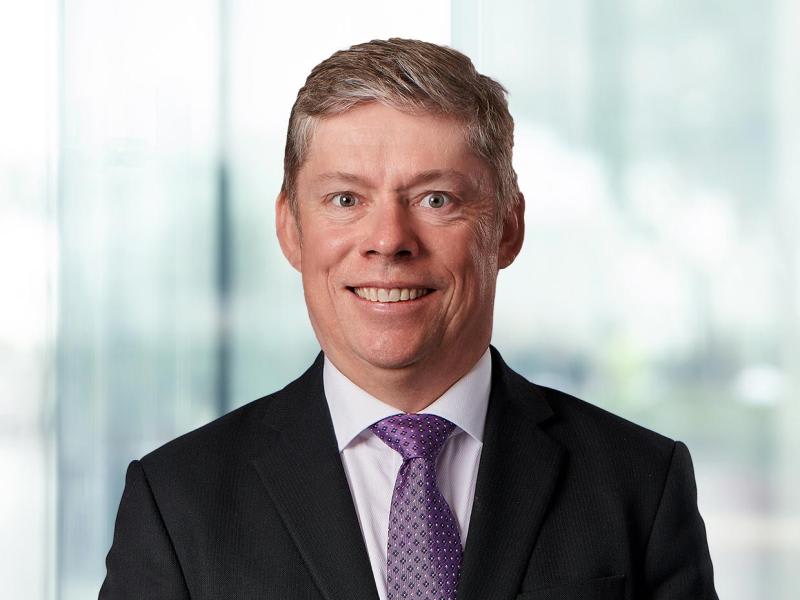
In this episode of talkBIG, Katie Timms is joined by Ross Paterson, RSM’s National Agribusiness Leader, to explore succession planning, family wealth and the future of the family farm. Ross shares insights from his work with farming families and his personal experience buying into his own family’s farming enterprise.
From managing different expectations and funding sibling buyouts to building trust, planning for retirement and recognising that “fair” does not always mean “equal”, this conversation examines what families need to consider when deciding who owns the farm next.
What you’ll learn:
- Why succession is about more than wills and legal documents
- How rising farm values are changing family conversations
- The role of trust and alignment in a successful transition
- Why fair does not always mean equal
- Funding sibling buyouts without compromising the business
- Helping the current generation plan confidently for retirement
- Why families should begin these conversations early

How to transfer wealth without tearing your farming family apart.
If you’ve ever worried about how to navigate succession plans without splitting your family farm, or your family, this episode is for you.
Watch it now.

Read transcript
Katie Timms (00:06)
Imagine spending 40 years building a successful farming enterprise, only to discover that passing it to the next generation is one of the hardest business decisions you'll ever have to make. For many farming families, the farm isn't just an asset. It's a business, it's a home, it's a legacy, and often the family's largest source of wealth. But with soaring farmland values, changing tax rules, and different expectations from the next generation, the question of who owns the farm next has never been more complex.
Welcome to talkBIG, the podcast where we explore the issues shaping Australian business and communities. I'm Katie Timms, and today we're talking about one of the biggest conversations happening around kitchen tables across regional Australia: succession planning, family wealth, and the future of the family farm. Joining me today is Ross Paterson, National Agribusiness Leader at RSM. Ross works closely with farming families on succession planning, business structuring, and intergenerational wealth transfer.
Now Ross also has a real passion for farming because he's got lived experience. Starting on a farm, becoming an accountant, and now in recent times returning to his passion and buying a farming property. Ross, welcome to talkBIG.
Ross Paterson (01:14)
Thanks, Katie. It makes it sound quite impressive, doesn't it?
Katie Timms (01:17)
It does, that's my job. Look, you are the agri chief at RSM, but your interest in farming didn't start at RSM. It started, you know, behind the scenes as you were growing up. So talk us through your lived experience through these exact issues.
Ross Paterson (01:31)
Yeah, I guess I would be a third generation farmer. So basically that's I guess the starting position. So being farming for a long time in the Esperance region. And basically I had a gap yeah, so I did go farming straight out of out of school, so had a year on the farm and then decided I'd better go and get a get something else, get a backup plan. So basically end up with a Bachelor of Business, went into accounting and then sort of enjoying my life in Perth, but dad sort of too sort of got hold of me said, Look, you gotta come back and make a decision. Do you want to go farming or not? And so basically I had to make that call and I went back to farming. And dad was pretty progressive for his time, so he basically, within a couple of years of being back on the farm, he said "Well, do you want to lease the farm?" And I said, okay, well that's a bit of a step. I wasn't really expecting that, but yeah, let's lease the farm and we'll give that a go. And even only a couple years after that, he basically said "Well look, it's probably about time you consider buying the farm". So I ended up buying half the farm off dad.
Of mum and dad. And dad sort of took off the initial lease payments I made, so he sort of discounted the farm price to me. But of course, I'm sitting there, I am married, I'm happily married at that point in time, but I'm an accountant and so I do prepare for the worst and basically said okay, well dad, we've got to it properly. You know, we'll have a proper loan agreement drawn up, so I'm buying the farm on vendor finance. We'll have a mortgage back against the property to make sure you're secure. And as it played out, yeah, you know, down the track, you know, I did get to the stage where had a relationship breakup, dad was thinking about selling the remaining part of the farm. And I basically got out at that point in time. So I got out the same time as dad. But what really gave me comfort is that dad pretty much got what he would have expected if he'd sold the farm at the time that he gave me the opportunity. So we protected it by using the mortgage. And I guess that's a lesson just stuck with me. and going forward, obviously I've leaned into that a bit when I'm talking to clients. So it's been pretty useful that lived experience.
And clearly in a small place like Esperance everybody knows you, your lived experience. So they tend to acknowledge that you come from I guess a place of you know of knowledge in some respects.
Katie Timms (03:33)
And you talked then a little bit about mortgage documents and vendor finance and all of that. I mean that side of succession planning is what most people think it is. It's the documents, it's the lawyers, you know, it's the wills, it's the land transfers. But that's not where it starts, is it? I mean, you've talked about, you know, having the conversations with your dad. This actually starts at a person to person level, doesn't it?
Ross Paterson (03:52)
Yes, it's very much about the communication piece. So you need the end products, you do need the wills, you need the enduring power of attorneys, all that sort of needs be in place. But that's the end product. That's the end of the game in some respects.
The communication piece is the bit that's really, really important. And that involves managing people's expectations and it sometimes means having quite difficult conversations. And so you've just got to start that process pretty early, I believe. So you don't want to not be talking about it because it's difficult, but sometimes it's really good to involve somebody, like an accountant or a trusted adviser, as part of that process. So if I'm starting that conversation with my clients, it's actually meeting with the clients usually separately initially.
I'd go with mum and dad normally to find out where mum and dad is sitting in terms of their succession plans, what they would like to do. And then I have a chat to the kids coming through and saying What's your thoughts, what would you like to see? And then of course you also got to involve the non-farming kids. So you can't just ignore those kids. They need to be part of that sort of discussion as well. So it's pretty important to have those conversations early. Make sure you understand where everybody's position is, because not everybody's at the same place. And so you've got to, I guess, manage those expectations, what's going to happen and try to get an outcome that everybody's reasonably happy with.
Katie Timms (05:08)
And you've sort of said this can be contentious and we're dealing with a lot of people's different perspectives and points of view. What do you think are the biggest challenges that people are facing right now? You know, as opposed to when you went through it, do you think things are different now?
Ross Paterson (05:23)
The biggest challenge still is the fact that the family farm is not just the business, it's also the home where multiple generations live. And also it's the legacy. I said I was a third generation farmer. Now we swapped and sold farms, so it wasn't necessarily the same farm. But there's a lot of families out there that might be fourth or fifth generation on the same farm and the kids have grown up on those farms.
I've got a really interesting example where one of my clients, their son has got no real interest in going into farming, but he loves getting back to the farm workshop. And the reason he loves getting back to it is he spent hours and hours growing up in that workshop, not with his dad, but with his grandfather. So it just is a really I guess great place for him to potter around in the shed. He loves making stuff. So he gets there and just you know makes stuff or fixes stuff up. But it's a real safe place for him to come back and he's got this real nostalgia about this workshop. So granddad passed away years ago, but he still loves coming back to the farm and just pottering around in that workshop.
Katie Timms (06:21)
And so that emotional attachment isn't always just there for the, you know, on farming children. It's often there for the, you know, kids that have grown up there. I mean, we've seen, you know, we've talked about this a lot over the years, you know, some farming families have the streets named after them, you know, because that's how long they've been there. So some of these challenges, emotional attachments, aren't just for the on farm kids, are they? It's also, you know, for the entire family group.
Ross Paterson (06:44)
Yes, yeah, no, exactly. So the biggest challenge, I guess, coming out of that is you've got to make sure everybody's really respectful about all the stakeholders. So like I said, when you're looking at a family, you're looking at mum and dad, you might be looking at the kids off the farm, the kids that want to go farming, they've all got to be involved, consulted and the biggest challenge sometimes is to make sure the conversation remains respectful because it is emotional.
People get emotional about it and it's good that, you know, they share you know what they're passionate about. But at the same time, sometimes you need somebody in the room just to make sure that the conversation continues in a respectful manner. So that's one of the challenges that I see as an adviser is you need to let the family talk. You need to sometimes let the emotions spill over, because that's when you get to the real little nuggets of gold. But at the same time you also need to jump in and say, hang on guys, we need a bit of time out. We need to actually, you know, just take five minutes, ten minutes, just have a reset, because we're sort of going down a rabbit hole we don't need to go down. And so trying to keep those conversations respectful, I think is a key, key part of that process.
Katie Timms (07:45)
And do you think I mean we've seen dramatically increasing, you know, farmland values, you know, over the last I mean, I think we've said every couple of years it can't possibly go up again. We've seen, you know, these values skyrocket. Do you think that's also impacting some of the, you know, the emotion and the, you know, challenges in having these conversations in that we're just dealing with such disparate values than we were before?
Ross Paterson (08:07)
Absolutely. This has made the game so much harder. So the succession planning side of it has just gotten incredibly tricky because there's been a massive rise in farmland value. Now I use the example once again I use Esperance because that's where I come from. But you could have bought a house, say, 15 years ago in Esperance, a really nice house, cast down keys, it was possibly worth $1m. You could also have bought 1,000 acres of land on the sandplain for $1m around the same time. So you know, 15 years on that really nice house in Esperance might be worth $1.5m or $2m. So it's gone up a bit. It's gone up a fair bit. But the farmland's gone from $1m to $6m.
So that different asset class, the gap, the exponential growth in in the farmland values has just put a massive gap on other asset classes, and that means it makes it really hard. And I guess when we're talking to parents, you know, 15 years ago, parents would say, okay, I'm building up a nice little off-farm asset portfolio that'll go to the off-farm kids and then the farming kids can get the farming assets. Parents are looking at that now going, the gap's just too big. I just can't give this all to my farming kids. I've got to share it around. So it's getting increasingly difficult to make that work. The other thing that's come out of it unfortunately, or unfortunately for me, is some succession plans that we think we've got, you know, locked away are being revisited. So mum and dad are sitting there going, is that still fair?
Because the land prices have increased in value so quickly. And so all of a sudden we're back in there revisiting a succession plan that we thought we'd pretty much finalised.
Katie Timms (09:36)
We've talked a lot about the emotions and the challenges of, you know, having to juggle all of that sort of thing, which makes it sound like you're more like a counsellor in some aspects, you know, rather than an actual accountant. But there is some systems and tools and things that you do use as part of this process. So I know that, you know, you do have your, you know, little grid that you do use. Now this was been shared with us by our dear RSM friend from Agknowledge, Peter Cooke but you know, this grid kind of looks at that alignment and the integration between trust.
And then, you know, are the families aligned on their goals and things? So can you talk us through like how you've kind of created with a little bit of a system to try and help get through this emotional process?
Ross Paterson (10:14)
Yeah, I think it's a great concept. I mean I'm an accountant, I love the matrix. So but this matrix is basically measuring two things. It's measuring the level of trust within a family and it's measuring the level of goal alignment. So if we look at that matrix, we've got the horizontal axis, that's level of goal alignment. We've got the vertical axis, which is basically the level of trust. And it goes up as you as you as you go further from the bottom. So if we look at that, in the top right hand corner, that's where we'd like most of our farming families to be. You have a high level of trust and you have a high level of goal alignment. If you're in that space, it's actually not too difficult to get your succession plan done. The adviser's role is probably limited to navigating all the issues with the tax side of it, you know, capital gains tax, land transfers, that sort of thing, making sure wills and and so forth are documented. But it's a good space to work in. Unfortunately, it's been my experience that we don't land in that place too often.
Normally we're in other parts of those quadrants. I'm gonna jump to the quadrant you don't want to be in, Katie and that's the bottom left quadrant. Basically what we've got there is we've got not much trust and no goal alignment. And we call that the litigated quadrant. Now my worst experience with that quadrant is turning up to a family meeting.
I was one of three different accountants. So we had accountants for mum and dad, that was my role. We had an accountant in this case, the daughter-in-law. And basically we also had another accountant who was sort of like going to be the umpire. I really felt sorry for that guy. We also had two legal advisers. So we've got professionals everywhere and it was a really bruising, I guess, process. And you know, we got there and then we got an outcome.
But it was a lot harder than it needed to be, and that's because you've got no level of trust within the family and there was no goal alignment from the get-go. Now, fortunately, goal alignment usually is not too bad. I mean, if we think this through, if we look at the three things that you know most families could can agree on, mum and dad should be able to retire comfortably and you know, they've earned that right to have a well funded retirement.
We definitely want the kids coming through to have a viable farming operation. So clearly we want the kids to be able to build on what mum and dad have done. And the third thing that we normally agree on is that the off-farm kids do need to be looked after still. So they do need to have some sort of financial benefit coming their way. So we normally agree on that. What we don't often agree on is when should it happen? So the timing's often problematic.
We don't always agree on what level of debt the kids might have to take on going forward with the farming operation. That can be quite problematic. And obviously the big one in the room is what is fair for the off-farm kids. That's really difficult to get to a position where everybody feels reasonably comfortable.
Katie Timms (13:09)
And how do you use this grid? I mean, agree, an amazing tool to be able to go, but how do you actually for you practically use this as part of that succession planning? Because quite often it's easy for you to see where people sit on this grid, but maybe harder for the people involved.
Ross Paterson (13:22)
Yeah, that's exactly how I go about it though, is basically put that in front of people and I do this I don't do this at the same time, so I do this separately. So each person I'm talking to, I'm asking them to rate where they think the family sits in terms of goal alignment and where they sit in terms of level of trust within the family. And it's quite interesting and I do have the situation quite often, you know, mum might sit there and be a bit hesitant, so I'm not sure everybody's on the same page. Dad will go, yeah, no, we're fine here everyone knows the plan.
And the kids coming through going, I don't think they trust us and you know, so we're getting all these different views, but for me it's just really great. It just gives me insight straight away into the family dynamics. And that way I can go, okay, dad's telling me something, but that's not being demonstrated by what I'm hearing from the other people. And I guess the other thing is it just gives that opportunity to have a chat to the people about where we don't want to end up. We don't want to end up in that bottom left quadrant, having lawyers you know, at ten paces and a whole lot of people fighting over it. We've got to have a better way forward and the way to avoid that bottom left quadrant usually is to make sure the conversations remain constructive and respectful.
Katie Timms (14:34)
And do you think that starting the conversations earlier, because you know, you've referred to your family and having started the conversations maybe before anyone was really ready to go to the next steps, do you think that makes a difference in terms of that goal alignment and maybe even the trust?
Ross Paterson (14:51)
I think it certainly does. I think if you can talk about it early and sort of map out a bit, I love the concept of a timeline. So for my clients, if I'm talking it through with them, I'm saying let's map it out. Let's make sure we know where you sit in terms of being comfortable perhaps to transfer the operational control of the business to the kids. Maybe further on you might give them absolute control over the farming trust.
We are going to have to think about farm land transfers at some stage. When would you like to consider that? And we try to map that out. Now you've got to start with mum and dad to be honest, because they are the decision makers. So you can't sort of start with the kids because otherwise you might once again have these unrealistic expectations. But if you start with mum and dad and try to map it out and then once they're fairly comfortable about that process, then you bring the kids in and go, what do you guys think? And of course that's when you can have that debate and people say, well that's too long, I don't want to wait that long. That's fine, that's healthy.
But at least start to map it and have those conversations and I guess talk about what's possible and try to make sure that we all steer in the same direction.
Katie Timms (15:57)
You talked a little bit about fairness, which you know, as we've seen with these changing values, fairness and equality maybe are two things that aren't actually, you know, gonna be able to be achieved. I mean, how do you juggle some of those challenges? You know, so where you've got, you know, one child wants the farm, one child maybe wants cash, you know, one is saying, I've been in the business, you know, I've been the one helping, you know, one's gone, you know, off-farm. How do you juggle all of that?
Ross Paterson (16:22)
Yeah, it's really challenging, no question. And it's really confronting for mum and dad, because often you know, particularly with the increase in land values that we discussed earlier, it's just so sizable the difference between off-farm assets and on-farm assets. So I guess what we're seeing what I encourage is to make sure mum and dad think about making an early inheritance to the off-farm kids. Now sometimes that can be in stages, so you might pay off the HECS debt as the kids graduate from university, you might go, okay, well that's going to hold them back a little bit, so I'm going to pay that off and give them a bit of a I guess a hand up at that point in time. You might help them with their mortgage repayments down the track. You might actually help them with the education of their kids. So if they're going to go to private school you might be educating or helping pay the school fees. So it's all these things that you can do, I guess, during your lifetime that helps those off-farm kids out.
I think it's a really good concept to have. It gives them a hand when the kids need it. As a parent, you get to experience the joy of saying, I'm really pleased I've stepped in and helped the kids go to that school or whatever it might look like. So I think that's one of the strategies that you can do is try to look at opportunities to help the kids early that are not going to be on the farm. We are seeing, I guess, a bit of a difference where mum and dad are sort of saying, well we're not going to give all the farmland to the farming kids.
They might hold back, you know, one location and say, okay, well that's going to go to the off-farm kids. But it might be built around a bit of a lease proposal. So the off-farm kids might lease it to their siblings. It's got to be reasonably fair. So the kids off-farm must get a reasonable rent payment to make it worth what their while. But at the same time it still gives the farming kids opportunity to farm, you know, at scale. So that's something we're seeing more of. So I guess siblings leasing property to their brother or sister that might be farming.
The other thing that we're seeing a bit of, I guess, is making sure if we're doing wills, we're having a bit of a clawback in terms of let's say you left the daughter the farm and the daughter decides you know six months after she's inherited the farm that she's going to sell it because the money's just too good. In those circumstances we might have a claw back where some of those proceeds end up going back to the off-farm kids. So there's ways you can provide comfort to the family, but it's really, really difficult. It's a lot harder than it ever used to be, and that's money once again around the the surge in values for farmland.
Katie Timms (18:35)
And about things like you know, are you seeing there being the opportunity for other revenue streams off-farm? So carbon farming, you a lot of these sort of things that are coming through to give the off-farm kids maybe an additional sort of income stream rather than just feeling like they're relying on their sibling for their rent? You know, is that something that's being looked at as well?
Ross Paterson (18:52)
Absolutely. I think that's a really good future opportunity. I'm not seeing you know, I haven't got any clients doing it at this point in time. I've got some clients receiving Australian Carbon Credit Units (ACCUs) from their carbon farming projects. So that could be something we discuss in the future about being left to the off-farm kids. So clearly that could be an opportunity. Renewables is another one where, you know, there's a lot of farming clients now where they are getting rent for wind turbines that have been put up on their farm.
Once again, that could be an opportunity to make sure that there's some alternate revenue going to the off-farm kids. And I guess that comes back to that land use. If you can sort of coexist with a renewable project or you can coexist with a carbon farming project, then that creates opportunities I think to look after the off-farm kids. So I think absolutely a real opportunity there. Just haven't really dived into it.
Katie Timms (19:41)
It's probably still really in the early stages, but kind of starting to see it gain momentum a little bit. I think we're seeing that in our client base as well.
Ross Paterson (19:47)
Exactly because these, particular carbon farming projects, are 25 year minimum projects. So a decision that mum and dad make at age sixty, it's not necessarily going to be them getting that revenue. So it absolutely makes sense to work out who should get that revenue going forward.
Katie Timms (20:01)
Yeah. So, I mean, all of this sounds great, in families that are getting along well and maybe, you know, don't have any issues. We've probably had enough experiences to know that loss of mental capacity, family breakdowns, death, you know, at a young age, all of these things can kind of throw a spanner in the works of all of this. I mean, how do you help the families try and protect from those? Because we know, you know, mum and dad are always nervous about, you know, the daughter-in-law or the son-in-law coming into the family, how do we help them kind of mitigate some of that?
Ross Paterson (20:32)
It's a really good question. I guess from my perspective, it's that old adage, I guess is you know, hope for the best and prepare for the worst. So clearly, you know, when we're talking about succession planning, we've got this ideal scenario that we're trying to achieve, but of course, you know, things get in the way. And so what we're then trying to do as advisers is make sure the default position is pretty good. So making sure wills are up to date. So something does happen, we get the right outcome. If dad loses capacity, we've got a plan as to what takes place there.
I guess the real elephant in the room which you just mentioned and they call it the dreaded daughter-in-law or the dreaded son-in-law, which I find quite ironic because if your families have been farming for five or six generations, everybody's been a daughter in law or son-in-law at some point. But anyway, it is a real contentious part of succession planning and it is a stumbling block to get good outcomes. So what I've been doing more of is getting I guess my kids coming through to have binding financial agreements for their partners. So I've actually had some success in getting kids to just quarantine their future inheritance from the family law by using a binding financial agreement. It's quite expensive, it's quite challenging to have those conversations. So one of the things I say to all my clients is this is not a conversation for the family to initiate. This is a conversation that I must initiate as the adviser. It's my idea. Let me, I guess, take the pressure of delivering that to somebody and saying, well look, this is something I think that you should consider, a binding financial agreement. That way, hopefully the family dynamics are not put under stress. If they say, that guy from RSM is a bit of a hard ass, or so be it, I can live with that. But I think it's important that our clients know what's available and what can work. And the scenarios where I have got this in place and we keep it really simple, we're just quarantining the future inheritance, it's given people a lot of comfort.
They basically go, okay, I know we can move on with our succession planning process now because we've actually got this, we've got this resolved. We know what happens if something goes wrong for a family relationship. That works really well. There's other things, it can be quite morbid. So we've got to think about things where if you've got two brothers farming, clearly you've got to think about what if something happens to one of those brothers at a you know, untimely death. So I'm a great believer in things like, you know, cross ownership of life insurance so that at least the widow can be paid out the equity in the farming business without necessarily impacting on the business if you had to sort of pay it yourself as opposed to paying it out of insurance proceeds. So I think there's a lot of things that we can do as advisers to sort of obviously try to derisk the farming business, but it does involve having difficult conversations and those difficult conversations should be initiated by the adviser, by the trusted adviser.
Katie Timms (23:10)
Because that's really, from what it sounds like, a lot of your role is actually being that person in the middle. You know, we know what family conversations can be like. Well, you know, the longer you know someone, the more you know what buttons to push, you know, what things you say that will generate a trigger. Is that actually what you find as well as a big part of your job is trying to smooth some of that out to avoid the button pushing?
Ross Paterson (23:30)
Absolutely. So and look I wind up quite funny because I can trigger I've got one of my sisters I can trigger in about sixty seconds flat and I think it's hilarious. Then the other day I got one of my colleagues that I've known for a long time, she triggered me by just calling me Barnaby. She'd seen a picture of me with my Akubra hat out on my little block out at Gidgegannup and she thought it's hilarious and she called me Barnaby. And for whatever reason it just triggered me. So anyway, so I know but you know, both ways how it can happen. But that's the problem we run into on farming families. Dads and sons particularly, they grow up and, you know, that relationship evolves over time, but sometimes the communication style doesn't change. So dad still talks to son like he's 15 years old and he's been on the farm for 30 years, you know. Well that's just a recipe for a disaster. So it's just trying to make sure in families that they talk to each other like they talk to somebody outside the family in a respectful way, making sure that you don't press everybody's buttons so that you can actually still have a constructive conversation.
Katie Timms (24:28)
Because at the end of the day, I mean, this is a family, you know, so this is a group of people that want to still be able to have Christmas together, you know, and not have this kind of lingering resentment hanging over their heads.
Ross Paterson (24:38)
That's one the key metrics with succession planning. So I talked early about managing expectations. To be honest, if everybody's slightly dissatisfied with the outcome, but they are still coming together, family gather gatherings, whether it's weddings or Christmas or whatever, you've probably got a pretty good outcome. If you've got one party that's absolutely ecstatic about the outcome, it usually means somebody else is probably feeling pretty much like they've been ripped off.
So it's just trying to get the balance right. So often I just sort of say to people, look, we might not get the perfect outcome for you, but we'll get you a good outcome. And I think that's just really important we manage those expectations.
Katie Timms (25:16)
So what does a successful retirement actually look like for a farming family? You know, what is a kind of situation? Because you've said nobody's perfect, it's not perfect for everyone. What is that kind of outcome that you really look for?
Ross Paterson (25:28)
Well look, and you have to engage professionals in this. So one of the things that I love to do with let's start with mum and dad, get them in front of the financial planner if they haven't got one and make sure they talk through what does retirement look like for them. Because for them, it might be buying a big flash caravan to travel around Australia, that might be their dream. They might want to do a lot of overseas travel, so what does retirement look like? And then of course the next step is how do you fund it?
So and that's where obviously the accountant, the financial planner, we can look at what's the most efficient way of funding that retirement. So I guess that's part of that process is making sure we have really good, clear understanding of what mum and dad want to do in their retirement because it's pretty important they get looked after. So we do that. The next step, I guess, you know, issue is often that means that the kids take on the farm have to take on a bit of debt to make sure that mum and dad can be looked after.
We don't want to cripple those kids with debt though. So trying to get that balance right, you know, engaging farm consultants, doing budgets, making sure we are leaving the kids in a position where the farm is still very viable, can still grow and they can still have a decent living, that's the next part of the equation, it's making sure we do that.
And then of course, look at those opportunities to look after kids that are not farming. So how do we go about that? What's fair, what's not, and trying to work through all those issues. So, yeah, perfect outcome. You've got mum and dad having a great retirement and seeing the kids and all that sort of thing on a regular basis.
You've got the next generation having an opportunity to take the farm to another level. So they've got that opportunity in front of them. And you've got kids that are off-farm going well, I'm really pleased with how mum and dad and you know, my farming siblings have actually come together to come up with a solution that works for all of us. That's a really good outcome. Then like you say, have the big Christmas get together on the farm, everybody turns up, know, and it's a great outcome.
Katie Timms (27:18)
So, succession planning and particularly with farming has become maybe a little bit more topical with some of the recent tax changes that have been announced in the budget. You know, we've got changes to CGT, we've got changes to trusts, which means that a lot of things are being, you know, discussed again and again now. Now I know we're still sitting in this awkward, uncertain phase where we've seen some draft things released, we're seeing a lot of consultation, which I put in air quotes because it's quite a short consultation period from what I've seen.
How are you seeing that this is impacting on farm succession at the moment? Like what are you encouraging people to do?
Ross Paterson (27:51)
It's really challenging for us as advisers because we don't have clear sight on a lot of the stuff that's happening, particularly with the trusts. So I guess if we look at the trusts, that's good news. I mean, basically and this I think comes back to the farming bodies, they lobbied well, and they got prime reduction income carved out of the new minimum 30% rule. So that's a really good outcome. Unfortunately, we've got a lot of landholding trusts and they're still a good idea having landholding trusts.
So that doesn't change, but the tax rate for those trusts will be different. That could be the 30% tax rate. So that's going to be quite difficult, particularly if you're paying significant rent to the trustful use of that farmland, particularly if that's got a service debt and so forth. So there's going to be some issues there, some challenges to address in how we go about it going forward. But if we look back as to why we use trusts, there's a couple of fundamental reasons that we do it.
Succession planning is front of mind with trusts. So you've got a trust owning land. Basically that land can be in the same family for the next 80 years. The control can change from generation to generation, but we're not triggering capital gains tax, we're not triggering transfer duty, so it's a really good outcome. The transition can be done in stages too. So what I love about trusts, you can give the kids day-to-day control of the trust, make them trustees, and then down the track you go, okay, well, they're doing a great job. I'm going to give them total control, make them the appointor of the trust as well. Flip side is, let's say mum and dad said to the kids, okay, we're gonna give you give you control of this trust, but our expectation is you pay us $100,000 a year for our retirement. And the kids turn around and go, $100,000? I think $50,000 is plenty. And so the kids only pay half the amount.
If mum and dad have still got that control as appointor, they've got the big stick. They go back to the kids and go, come on guys, we agreed to $100,000 you're shortchanging us, you've got to pay the $100,000 or we're going to step back and take control of the trust. So I'd love that concept of stage control of trusts. Give initial control as trustees, give them total control as appointors but it's over time. It doesn't happen all at once.
So I love that about trusts. The other thing I love about trusts is the asset protection. Okay. So I'm really concerned nowadays with farming trusts. It's great to have your business in a farming trust, I believe, a corporate trustee and gain some asset protection. But you've got all these other assets worth a lot of money. All that farmland is worth worth a squillion. You don't want that exposed. So your farming trust needs to be separate from the other trusts that own the farmland. And that's sort of just basic asset protection 101. Make sure we get that separation in place.
So there's two, I guess, very strong reasons as to why I like trusts and I think we'll continue to use trusts going forward. The government's worried about the allocation of income to low-rate beneficiaries. I think they've missed the point a little bit because this is actually going to affect probably our smaller clients more than our bigger clients. Our bigger clients happily pay their 30% tax. They don't really care. That's a good rate for them. So they don't care about, you know, necessarily allocating income to low-rate beneficiaries. So I don't think it's really going to achieve what the government's trying to do here.
Katie Timms (30:58)
So Ross, I mean I've been in these meetings with you, you know, in some of these conversations and I've seen your passion for, you know, all this. But this is a tough job. So what is it about this kind of work that you find other than your love of farming, what is it about this kind of work that you find so rewarding?
Ross Paterson (31:15)
Well, this is I guess the time where I have to acknowledge I'm reasonably old. Been around for a while and that's I guess one of the great things about my role. We tend to have clients and our clients tend to be very sticky. So they stay with us for a long period of time. And I've got some families where I'm looking after the third generation. And right now I'm sort of halfway through a succession planning journey with a young family.
And I look back and reflect back and I go, okay, I helped granddad and grandma transition the farm to these kids' parents and now I'm helping the parents transition that farm and the farming operation to that third generation. And I just absolutely love that feeling of being involved in that process and trying to make it as painless as possible for the family and get a good outcome for for the family. So yeah, I guess on my deathbed I won't be thinking about tax returns or saving people tax or whatever. But I will be I think fondly remembering those opportunities to work with great you know, great families, lovely families and help them continue that farming journey. I think that's the thing I'll reflect on from a working perspective is what I've enjoyed the most, in terms of my role.
Katie Timms (32:29)
Look, I'm not gonna you know, say this to you again, but I'll say it right now. You're bloody good at what you do, you know, we've seen all of that. So, you know, what you've really shared with us today is the importance of planning early, building that trust and that relationship, working through it with the family. But like let's give this a nice clean end. What are your three key takeaways when you're looking at family farming succession?
Ross Paterson (32:52)
Look, I think you absolutely need to start early, but managing expectations is really important. I think so you've got to make sure you you do manage expectations along the journey. The second thing I guess is that you've just got to make sure you engage the right people. Get the right people along for the journey. So you know, that could be farm consultants, bank managers, lawyers, that sort of thing. So you've just got to make sure that you get everybody along for the journey.
And the third thing, I guess is at the end of the day, you do need to document everything. So you do need to get the documentation in place. So we start this conversation with you know, talking about wills and EPAs and all that sort of stuff. That's the back end of the process, but it's incredibly important that we make sure that happens. So I think I've got that right. Did I start with respectful conversations? Yes. making sure you engage with the advisers and at the end of the day, document everything as well.
Katie Timms (33:45)
Yeah, fantastic. Well look, Ross, thank you so much for joining us on talkBIG. For everyone else, if you enjoyed today's episode, please subscribe, share it with your network, and join us next time as we continue to have the conversations that help individuals, businesses, and communities think bigger. Until next time, thanks for listening and thanks, Ross.
Ross Paterson (34:02)
Thanks, Katie.
